PRIVATE PIANO LESSONS DUBAI FOR CHILDREN AND ADULTS
-
100+ student performance videos
-
nearly 15 years teaching in Dubai
-
author of 30 piano books
-
creator of original piano method
-
students prepared for ABRSM and Trinity exams (Grades Initial — 8)
Learn piano, music reading and music theory with an experienced teacher, author of a unique piano method and educational books. Classical Music Education in Dubai with Alina ILINSKA

Alina ILINSKA is an experienced piano educator with nearly 15 years of experience teaching children and adults in Dubai, United Arab Emirates. She is the author of a unique piano teaching method and several educational piano books designed for beginners of all ages.
Private Piano Lessons in Dubai since 2012

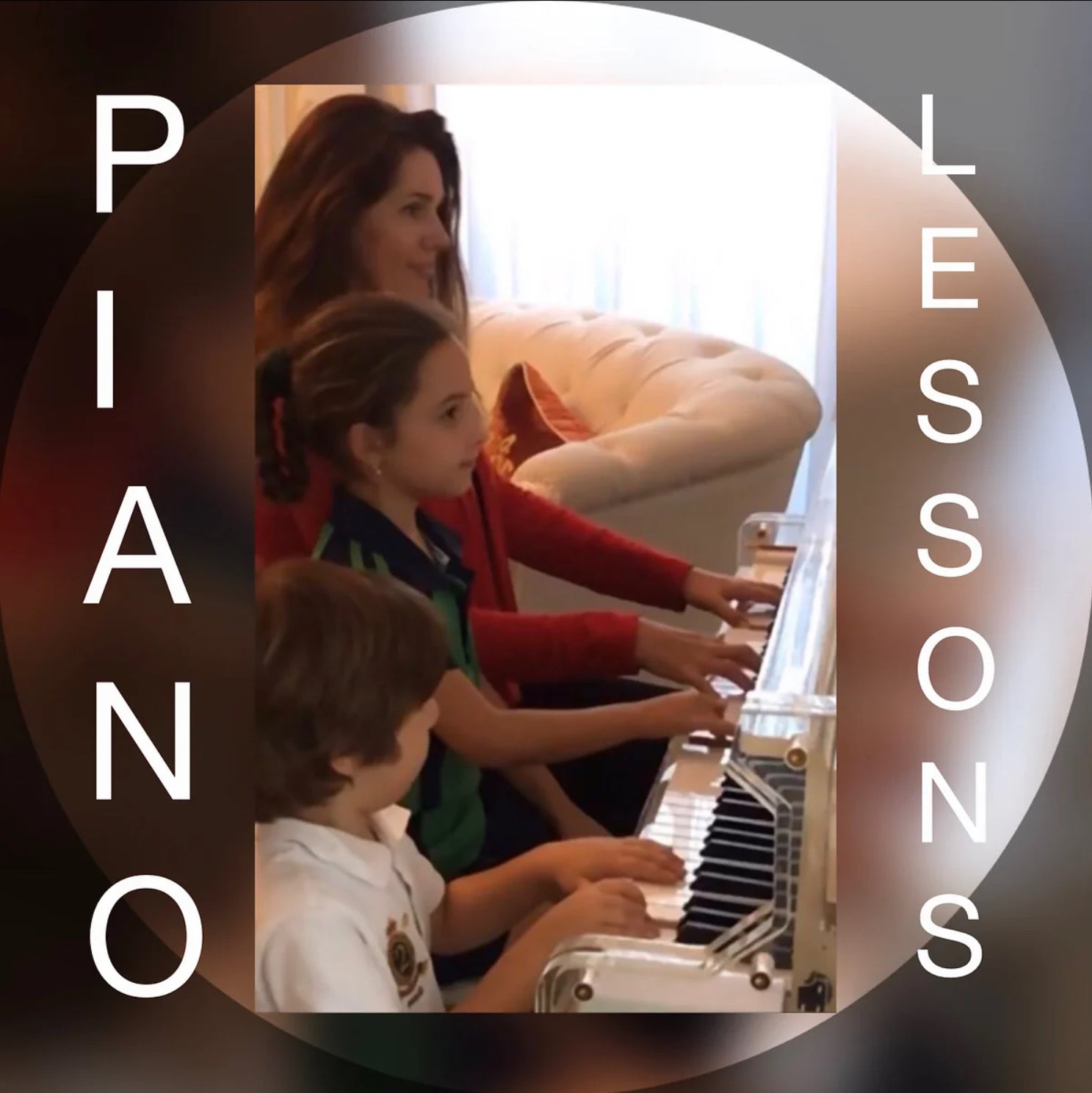
Classical Music Education
THE UNIQUE AUTHOR’S METHOD OF TEACHER ALINA ILINSKA
FOR TEACHING CHILDREN FROM THE AGE OF FIVE TO PLAY THE PIANO IN A PLAYFUL WAY
Alina ILINSKA developed a unique approach that nurtures students creativity, self-expression, and lifelong confidence
Student Isabella Grade 1

Student Masarra Grade 8 for ABRSM Exam — student passed ABRSM Grade 8 with Distinction

Beyond teaching, Alina is also a composer whose works range from beginner educational repertoire to advanced college-level compositions. Her students benefit from an individual approach that combines classical piano education, music theory, creativity, and personal artistic development.
THE MUSIC BOOKS BY ALINA ILINSKA
For adults and children
A unique piano teaching method and several educational piano books designed for beginners of all ages by Alina ILINSKA

“Four Seasons — Spring” by Alina ILINSKA performer student Isabella Grade 6

Etude by Alina ILINSKA performer student Daniel

”Four Seasons — Storm” by Alina ILINSKA performer student Samuel — Grade 7

“Wind over the Sea” by Alina ILINSKA performer student Isabella — Grade 5


MUSIC BOOK “WIND OVER THE SEA” BY ALINA ILINSKA — PIANO MUSIC
Year – 2023
Media type – E-book
Country – Dubai, United Arab Emirates
Language – English
Piano music – music sheets
Student Isabella performance: BEFORE and NOW

Performer student Samuel — Grade 6

Music Book «Memories» by Alina ILINSKA
Year – 2023
Media type – E-book
Country – Dubai, United Arab Emirates
Language – English
Piano music – music sheets
Wonderful New Year's time — Performer student Isabella

The Role of Music in Culture and Human Development
The Impact of Piano Music on Human State and Mood
Music plays an important role in the culture of every country and in the development of humanity as a whole.
It is widely recognised that even simple listening to music results in a shift in a person’s emotional state and overall mood.
Musical Piano Practice and Brain Development
It has been scientifically proven that playing a piano strengthens neural connections between the left and right hemispheres of the brain and positively influences overall learning capacity.
Individuals engaged in Piano music demonstrate enhanced memory and verbal-logical thinking. Their brain functions improve not only during musical Piano activities but also across other areas of life.
Studies on adults who began playing Piano music later in their life revealed that, after six months of training, they showed faster information processing and stable improvements in memory and speech fluency compared to those who had not practised piano music.
Recent research also indicates that playing the piano enhances a person’s ability to process complex information, as musical training involves cognitive exercises that cannot be replicated by sports or other types of activity. Improved cooperation between the right (creative) and left (analytical) hemispheres of the brain enhances the musician’s ability to solve problems more effectively in any social or intellectual context.
Music has long been intertwined with scientific thought. Throughout history, many of the world’s greatest minds have turned to music for inspiration and clarity.
Nobel Prize winners Max Planck and Werner Heisenberg, founders of quantum mechanics, were trained pianists in their youth and played very well.
The world-renowned Albert Einstein studied music and believed that playing classical pieces by Bach and Mozart developed his intellect.
The philosopher Friedrich Nietzsche played the piano extensively in his youth. Some mathematicians have reported that musical improvisation helped them find solutions to equations and complex problems.
Larry Page, the programmer and co-founder of the Google search engine, played the saxophone in childhood and studied musical composition. In the first office where Google was created, there was a piano keyboard.
Page claimed that his musical education inspired his thinking speed:
“In a sense, I feel that music training led me to the high-speed legacy in Google,” he said. According to Larry, music cultivates a strong awareness of time.
Scientific Studies on the Effect of Music on the Brain in Children and Adults
Scientific studies show that playing the piano leads to significant structural changes in the brain after just one year of early childhood training. These changes stimulate memory and enhance learning ability.
In one study on music and memory, adult participants were divided into three groups:
– The first group consisted of musicians who had studied music for over ten years.
– The second group had studied music for one to ten years.
– The third group had never received musical training.
All participants completed a series of neuropsychological tests.
The group with more than ten years of music education showed the highest results in non-verbal and visuospatial memory, as well as in their ability to absorb and adapt to new information rapidly.
The link between childhood piano practice and improved abilities due to long-term functional brain changes remains a key topic of research.
Children who studied piano for around three years outperformed their peers in auditory recognition, fine motor skills, and vocabulary.
These structural changes in the brain persist over time, indicating the lasting benefits of early music education.
Playing a piano brings not only the joy of creativity and development but also contributes to overall life enhancement, with measurable positive effects in multiple areas of human activity.
Performer student Eman — she began learning piano at 17. The video shows her progress after two years of study.

Alina ILINSKA
